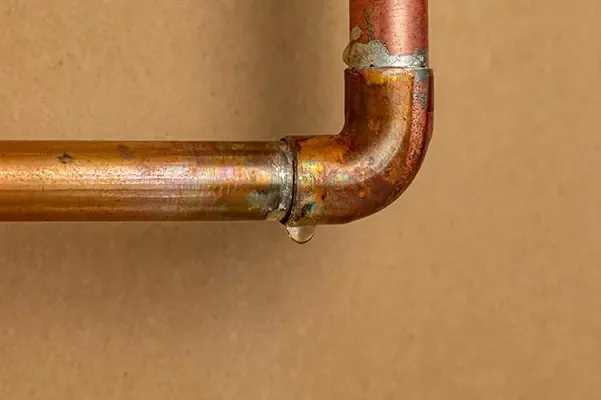
A Hapeville property owner reporting a pipe leak needs to describe where water is appearing in relation to the meter and building. The city maintains water mains and service piping through the meter; piping from the meter to the property is the owner's responsibility. Inside the building, escaped water also needs an assessment of the rooms, contents and materials it reached.
Key takeaways
- Identify whether the observed leak is at the street, meter area or inside the building.
- Leave utility equipment and unsafe shutoffs to the appropriate professional.
- Use the city's documented meter boundary when arranging water service repair.
- Describe wet rooms separately from the location of the broken pipe.
- Keep the plumbing repair record with the extraction and drying documentation.
Give the repair contact a location they can act on
An initial report should distinguish water emerging outdoors, water around the meter and water coming from an indoor fixture or concealed space. The owner can describe what is visible from safe ground and identify whether water is still moving.
A report about an interior wall should name the room and the nearby fixture instead of assigning a pipe location that has not yet been inspected.
The city Water and Sewer Division handles water, sewer and meter repairs within its responsibilities. For an indoor release, a plumbing contractor can identify the failed component while burst pipe damage assessment follows the water through the building.
Both contacts benefit from knowing which source control actions have already been taken and which areas remain inaccessible.
- Describe the observed water location in ordinary room or site terms.
- State whether the release is continuing.
- Identify any shutoff already operated by an authorized person.
- Keep the repair contact informed about unsafe access or electrical concerns.
Use the meter boundary to organize repair responsibility
The City of Hapeville Water Department maintains the water mains and service piping from the main through the water meter. The owner is responsible for water service piping from the meter to the property.
The responding professional should locate the affected portion so the repair request follows the part of the system actually involved.
In Virginia Park, a homeowner can keep the meter location and the indoor leak location on the same sketch. The sketch helps explain the report without requiring the owner to handle the meter or expose buried piping.
Any investigation involving utility equipment should be coordinated with the responsible department and the contractor performing the work.
Written findings are useful when the leak was concealed or appeared in more than one place. The repair record can identify the damaged component, the location where it was accessed and the method used to confirm the repair.
That information lets the drying team distinguish the repaired source from moisture still held in surrounding building materials.
Control access while the source is being addressed
A person should not cross standing water to reach a panel, appliance plug or inaccessible valve. If a known household shutoff is reachable from a dry and safe position, the responsible occupant can follow the property's established shutoff procedure.
Otherwise the room should remain restricted while the appropriate professional establishes a safe way to control the release.
The access plan also needs to account for other occupants. A property manager can identify the person authorized to enter each room and explain which fixtures should remain unused during testing.
Keeping those instructions specific to the affected spaces helps avoid an accidental restart while the contractor is checking a repaired connection.
- Keep electrical controls out of occupant handling when water is nearby.
- Tell other occupants which fixtures are temporarily out of use.
- Assign a property contact for access and repair updates.
- Preserve a dry route for assessment equipment where one is available.
Map the interior release beyond the broken component
A repaired pipe may sit beside a wall cavity, cabinet base or floor transition that received water before the leak was found. The assessment follows those adjoining surfaces and notes the visible boundary of the release.
Accessible lower rooms also deserve attention when water has traveled through an opening or an assembly above them.
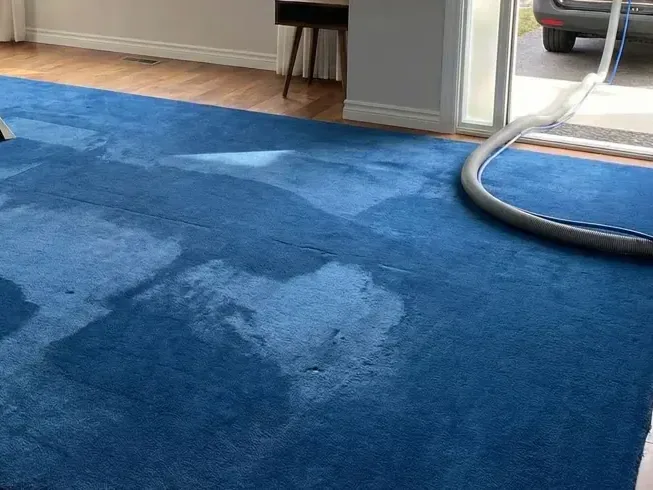
The water extraction plan identifies standing water and the means of removing it safely. Contents can then be evaluated in their original positions, with wet bases and hidden contact points photographed as the room is cleared.
The record should retain the relationship between the pipe access opening and the materials found wet nearby.
Central Avenue and Dogwood Drive are used in the city's ward boundaries. Those road names can help locate a service request, while the room sketch carries the details needed for the actual cleanup.
A precise description of the interior water path is useful even when the source repair took place outside the occupied room.
Keep the drying record tied to the exposed assembly
The crew checks the materials revealed during pipe repair and identifies any further access needed to assess hidden moisture. A plumbing opening may expose part of the wet area while leaving another affected cavity enclosed.
The drying plan should explain how those remaining locations will be evaluated and what conditions determine whether material stays in place.
The structural drying service uses repeated observations at identifiable points to track progress. A useful log names the material, room position and equipment changes, rather than reporting that the house is generally becoming drier.
When an area stalls, the next decision should address that location's access or condition before finish repair begins.
- Photograph the pipe repair opening before it is closed.
- Identify wet materials exposed alongside the repaired component.
- Record drying measurements at locations that can be found again.
- Keep unresolved cavity access questions in the work notes.
Close the repair with separate plumbing and room records
The owner should receive a plumbing record describing the failed component and completed repair, plus a room record describing extraction, material removal and drying. These documents answer different questions and should remain connected by the same incident date and property description.
A later contractor can then understand why an opening exists and what remains to be finished.
Hapeville has historic residential neighborhoods as well as new single family homes, townhomes and apartments. The repair handoff should describe the actual finishes found at this property, including any layers exposed during access.
That makes it possible to plan the patch, trim or flooring work around the building that was inspected.
The final conversation should also identify who restores any disconnected fixture or removed fitting and who confirms that the space is ready for normal use. A simple task list prevents a dried room from being treated as complete while an access panel, floor edge or plumbing connection still needs attention.
The owner can retain that list with the original discovery photographs.
Questions
Does the city maintain water piping beyond the meter?
The documented city responsibility extends through the meter. The property owner handles service piping from the meter to the property, with the affected location established during inspection.
What if water appears in a room far from the repair opening?
The assessment should include that room and the accessible materials between it and the source. A separate moisture location belongs in the record even when it was not obvious during the plumbing repair.
Should an owner operate the utility meter to stop a leak?
Utility equipment should be handled through the responsible department or authorized professional. An occupant should keep clear of unsafe access and describe the continuing release when requesting help.
Why keep photographs of an open wall?
They show the repaired component, surrounding material condition and access available during the work. The finish contractor can use them to understand the assembly before the opening is closed.