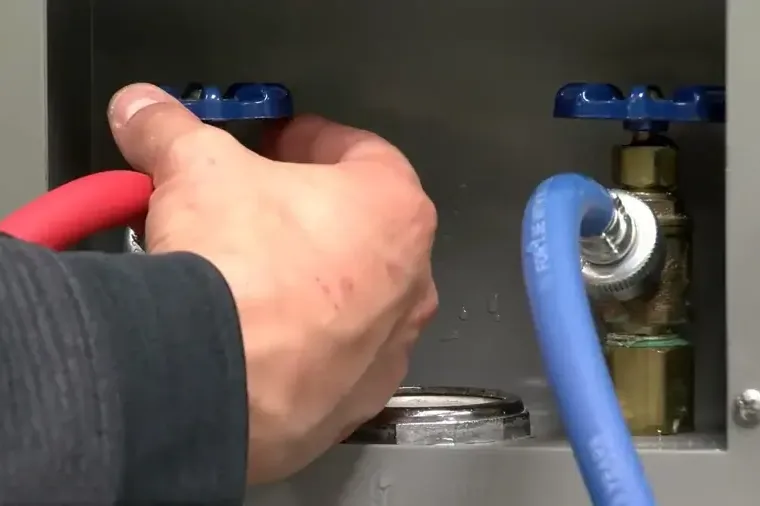
Water appearing beside a dishwasher, washer or refrigerator in Stockbridge needs an appliance check and a separate look at the room around it. The first wet spot may sit outside the hidden area where water collected. A homeowner can help by describing which appliance was operating and where water appeared, then leaving movement and testing to the professionals handling the appliance and cleanup.
Key takeaways
- Stop normal use of a leaking appliance until the fault is evaluated.
- Avoid pulling a heavy appliance across wet flooring or reaching for a wet plug.
- Inspect cabinet bases, adjoining floor edges and accessible spaces below the appliance.
- Photograph hidden water contact as safe access exposes it.
- Arrange a coordinated handoff before the appliance covers the repair area again.
Describe the appliance cycle and the first wet edge
A useful discovery note says whether water appeared during filling, draining, ordinary use or while the appliance was idle. The owner can also note whether the water emerged at the front, beside a cabinet or through a room doorway.
These details help the service technician select an inspection approach without repeating normal use just to reproduce the leak.
The appliance leak damage assessment follows the room impact while the appliance technician investigates the fault. A failed connection, component or drain requires its own repair finding.
The homeowner should keep that finding with the water damage record so the cleanup scope remains tied to the release that actually occurred.
- Record the appliance involved and its activity when water appeared.
- Photograph the wet edge before absorbent items cover it.
- Keep the appliance out of ordinary use during assessment.
- Note any water observed in a room below or beside the appliance.
Confirm the property location and access arrangement
Stockbridge is a city in Henry County, and some unincorporated Rockdale County areas use its mailing name. A direct service request should identify the actual property location and the entrance leading to the affected room.
That practical detail helps the responding contractor arrange access to the correct building and coordinate with the person who can authorize work.
The city includes residential housing, with local schools such as Cotton Indian Elementary School and Smith Barnes Elementary School. For a household arranging access around normal daily commitments, a named property contact can keep the appliance visit and cleanup visit coordinated.
The appointment notes should identify any locked room, occupied adjoining space or restricted entrance.
An access description should also mention whether moving the appliance will block the only route through the room. The professionals can then plan a temporary position that protects dry surfaces and keeps occupants clear.
That decision is easier before the appliance is disconnected and the wet area becomes an active work space.
Expose the hidden floor with controlled appliance movement
An appliance can conceal wet flooring, damaged backing or water collected against a wall. Pulling it out without a plan can strain connections, damage flooring or bring the person moving it into contact with unsafe electrical conditions.
The appliance professional should establish the disconnection and movement procedure before the restoration assessment continues beneath it.
Once access is safe, the crew photographs the original recess and checks adjoining surfaces. A cabinet toe area, side panel and rear wall may each need separate attention because they were exposed differently.
The record should show those contact areas before cleaning or material removal changes their appearance.
- Arrange safe disconnection before the appliance moves.
- Protect the route used to reposition heavy equipment.
- Photograph the floor and wall exposed behind the appliance.
- Leave concealed electrical components to the appropriate technician.
Inspect cabinetry as an assembly of separate parts
A cabinet face may appear sound while the base, side panel or backing has been affected. The restoration team identifies the materials actually present and checks accessible edges for moisture and loss of condition.
A removal recommendation should name the part involved and explain what access or material problem it addresses.
The water extraction work addresses accessible liquid, including water revealed after the appliance moves. The crew then checks whether a floor covering or cabinet element is hiding another wet surface.
Contents stored low in the cabinet should receive their own assessment, with wet items kept separate from dry kitchen or laundry storage.
A labeled photograph can connect a removed toe panel to its original position. If an item can be retained, that identification helps it return to the correct location after work is complete.
If replacement is needed, the same record gives the repair contractor a clear description of the affected part and the surrounding finish.
Arrange drying around the recess and adjoining floor
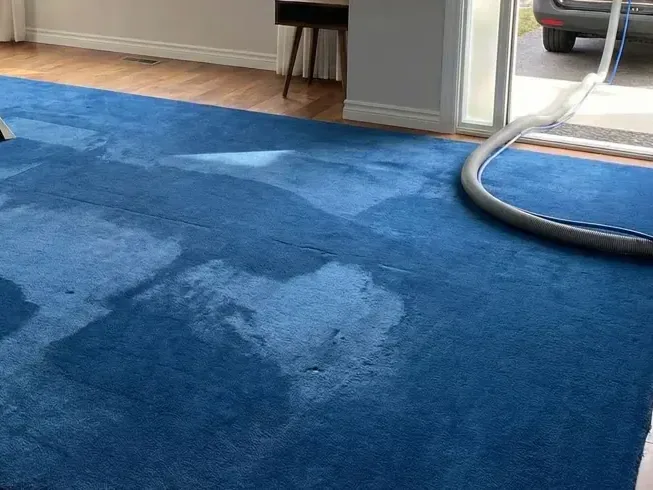
The space behind an appliance may have limited access for inspection and airflow. A drying arrangement should account for the exposed recess, nearby cabinet bases and any affected floor transition.
The technician explains which openings must remain accessible so an appliance installer does not inadvertently cover material that still requires assessment.
The structural drying record follows the specific locations identified during the initial survey. The crew compares later observations at those same points and documents any change in equipment or access.
A dry room center should not distract from a wet edge inside the appliance recess that still needs a response.
- Keep the rear wall and floor measurement points accessible.
- Identify any cabinet panel temporarily removed for the work.
- Record readings before the appliance is returned to position.
- Tell the installer which finish repairs remain outstanding.
Arrange testing and reinstallation with the room handoff
The appliance repair and the surrounding room repair need a clear sequence. The service technician confirms the appliance fault and the work required to return it to use, while the restoration team documents the affected materials.
The property contact can then arrange the final installation around the condition of the recess and any flooring or cabinet repair still planned.
For a home reached from the U.S. Route 23 corridor, the handoff should use room names and component descriptions that make sense to the people returning for repairs. A simple note such as rear wall, cabinet base or doorway edge is more useful than an unlabeled close photograph.
Each remaining task should identify the contractor expected to handle it.
The owner should retain the appliance service findings along with the room photographs and drying log. If another wet spot appears after the appliance returns to use, the new observation can be compared with the completed work.
Keeping the original sequence intact makes it easier to describe what changed and where the next inspection should begin.
Questions
Should a leaking dishwasher be run again to show the problem?
Testing should be directed by the appliance technician after safe access and source control are established. The owner can provide the earlier cycle details and discovery photographs instead of adding more water.
Can a cabinet stay if its front looks normal?
The decision requires assessment of the base, backing, attachment and exposed materials. Each concealed contact area needs its own condition check before the contractor decides which cabinet parts can remain.
What should be checked before an appliance returns to its recess?
The professionals should review the repaired connection, the surrounding material condition and access still needed for finish work. The installer needs a clear handoff for the exact space being covered.
Why distinguish the mailing name from the property location?
Some nearby unincorporated areas use the city name for mail. Giving the actual location directly to the contractor helps coordinate access and the correct property contacts.